Info
Information series
ETF indexing ideas, explained step by step
A nine-part video sequence designed to introduce the ETF Indexing site in a logical progression—from the broad concept, to benchmarks and portfolio examples, to construction choices, diversification, and final perspective.
Start at the top and work downward. Each video opens in a large pop-out player, so you can stay on the page while moving through the series. The sequence below is intended to make the surrounding pages on this site easier to interpret.
01
Overview
ETF Indexing
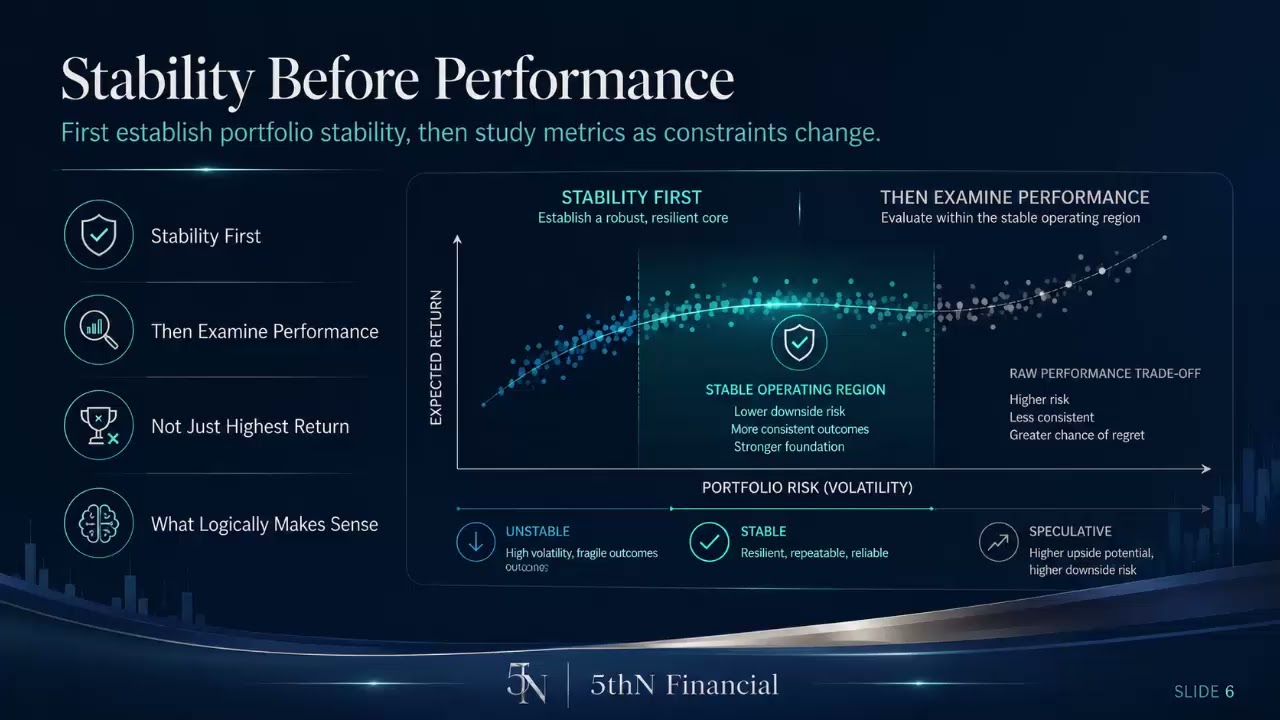
Begin with the core ETF indexing concept and the broad framing for the design and research ideas presented throughout the site.
02
Benchmark context
MARK to SPY
Move into the benchmark discussion and consider how the MARK framework relates to SPY as a public reference point for evaluating ideas.
03
Interpretation
Mentally Unpack the Process
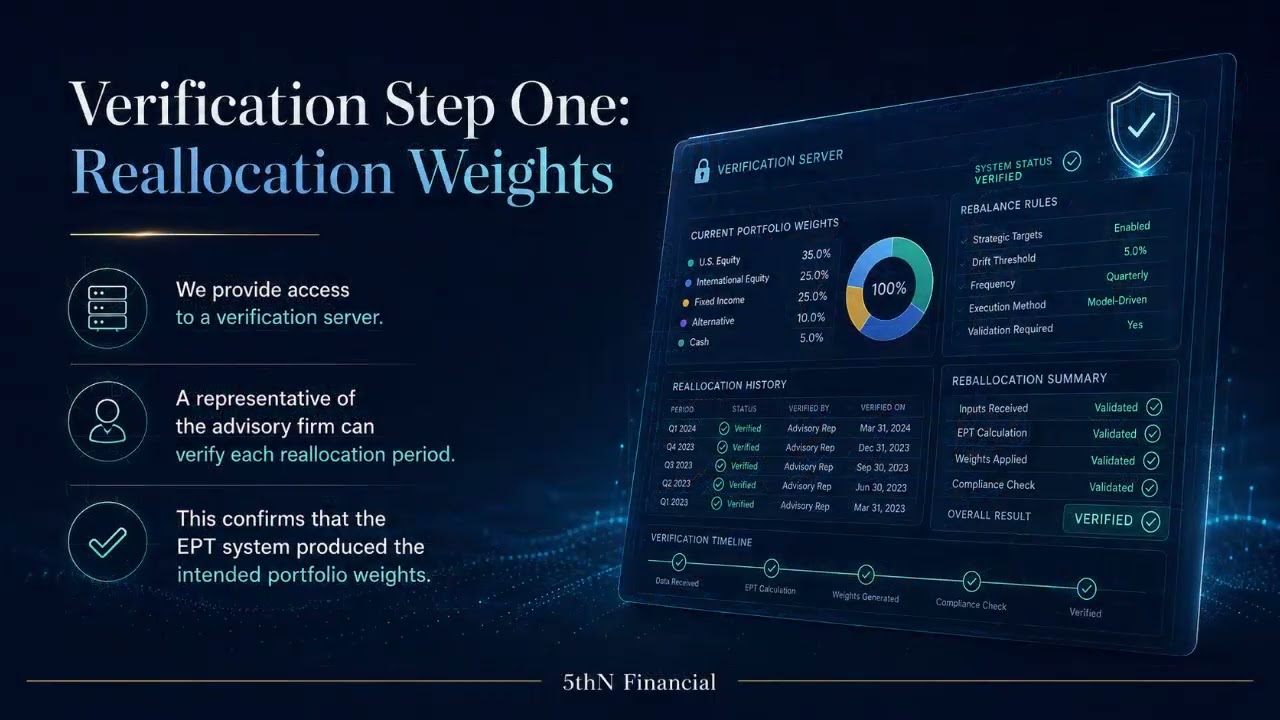
Step back and mentally unpack the portfolio-design process so the later implementation and comparison choices can be viewed in a clearer structure.
04
MARK155 portfolio examples
MARK155 Portfolios
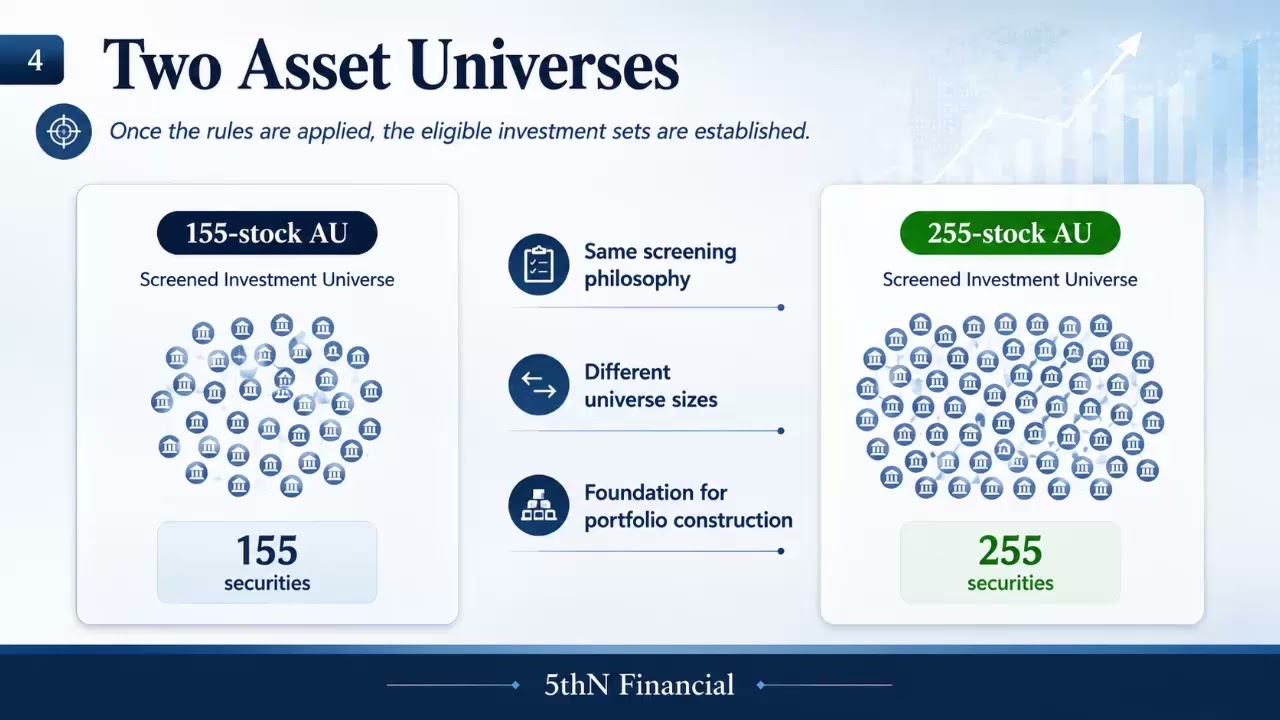
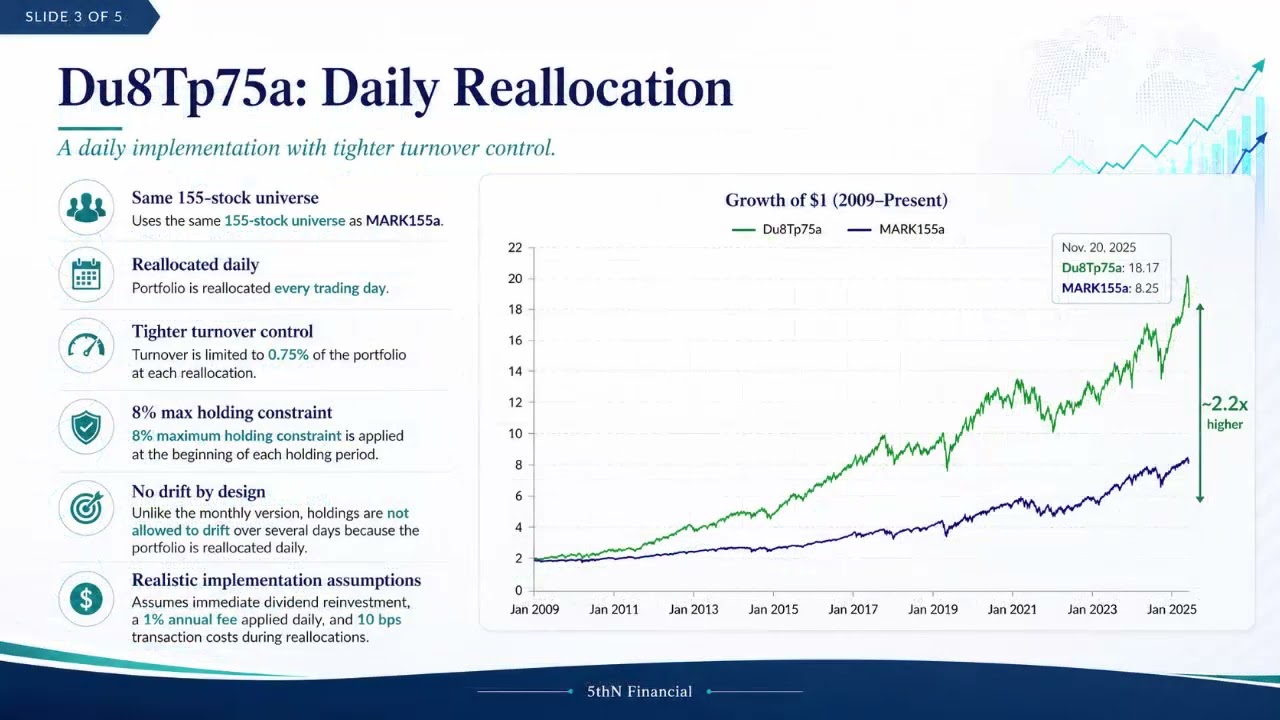
Examine portfolio examples built from the MARK155 universe and see how the framework translates from benchmark context into concrete portfolio construction.
05
MARK255 portfolio examples
MARK255 Portfolios
Continue with portfolio examples drawn from the broader MARK255 universe, providing a second view of how universe size and portfolio design fit together.
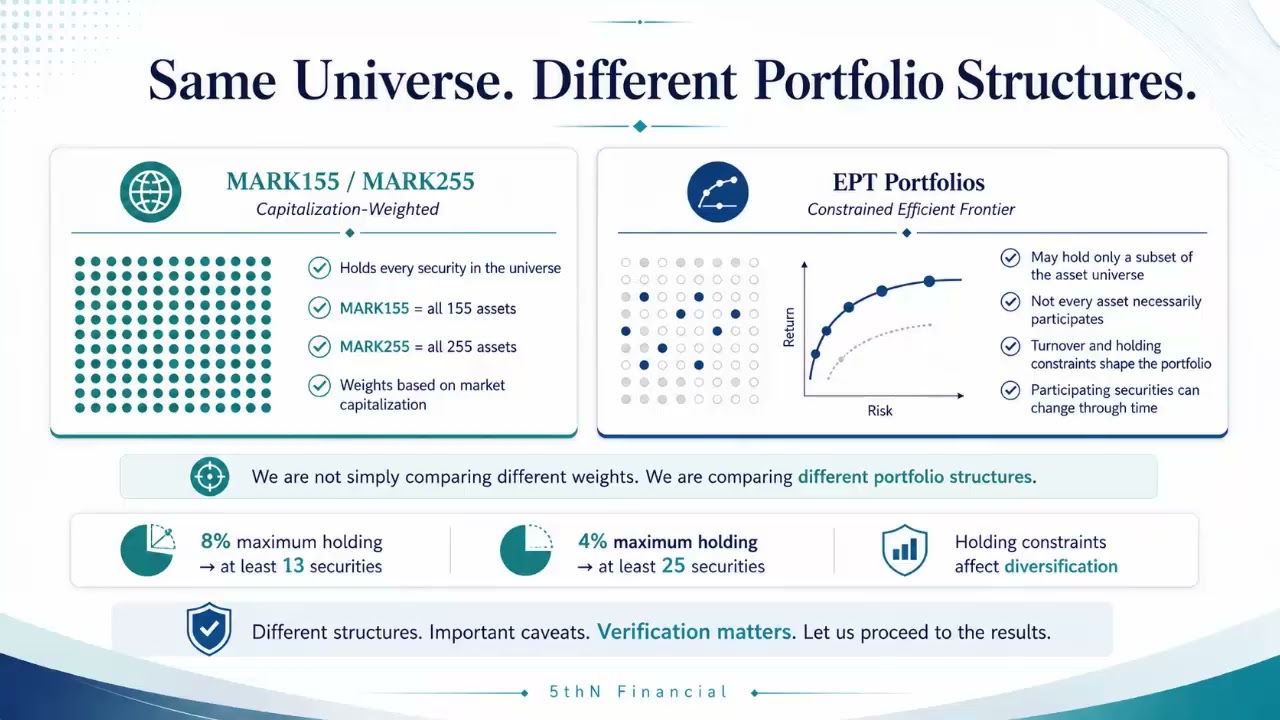
06
Construction choices
Turnover and Holdings
Focus on two central construction levers—turnover and holdings—and how those choices affect the character of an active ETF design.
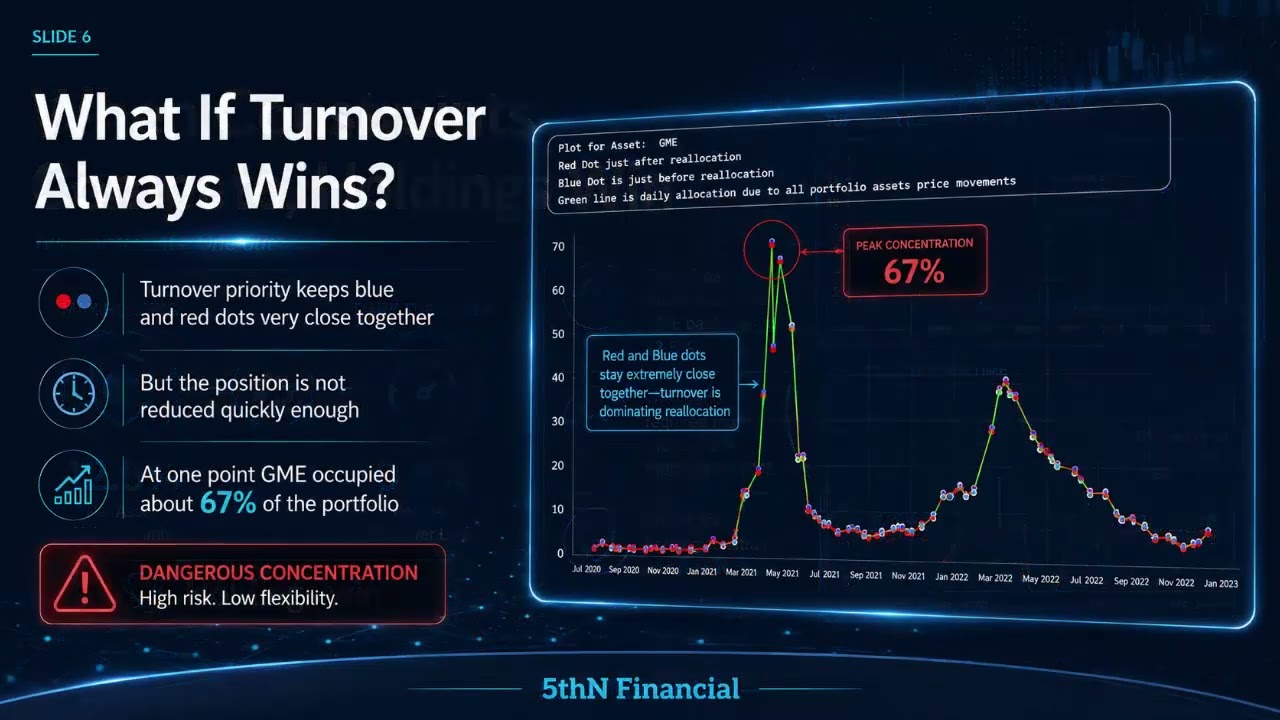
07
Reallocation rhythm
Monthly
Review the monthly perspective in the sequence and how a monthly design cadence fits into the broader ETF indexing framework.
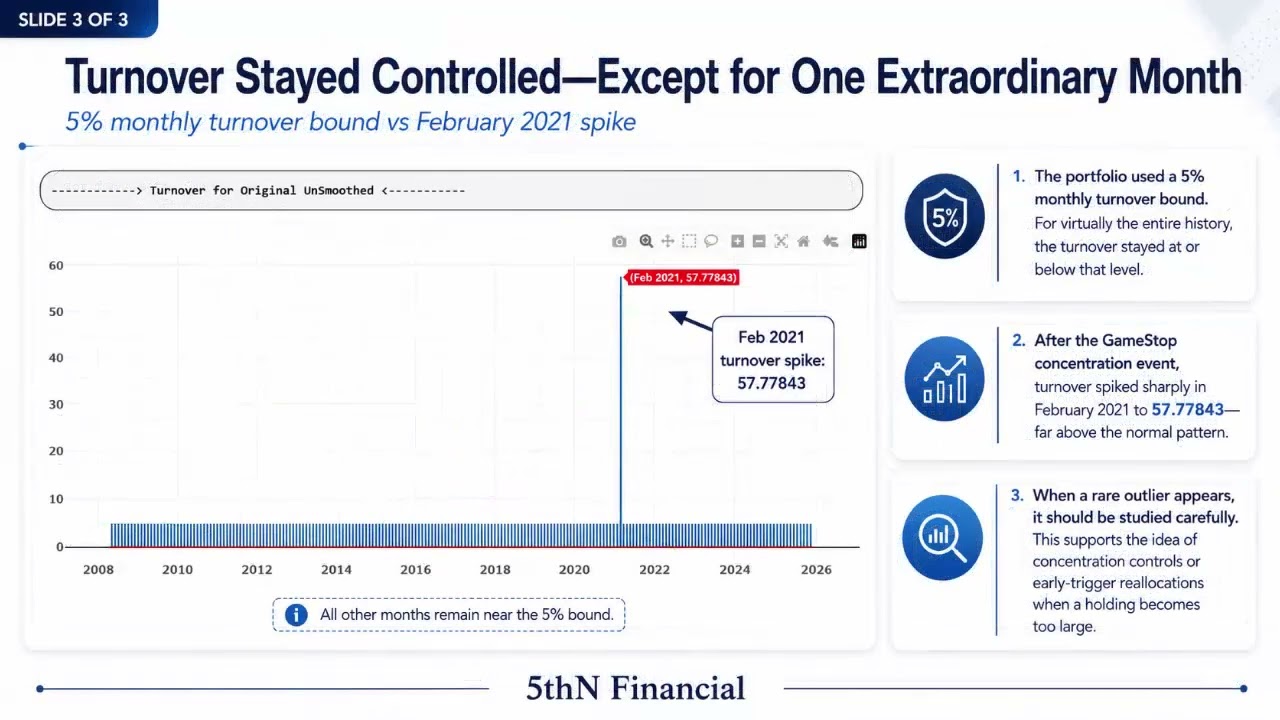
08
Portfolio scope
Diversify
Expand the discussion toward diversification, showing how the ETF design process can move beyond a narrow starting point toward a broader investment world.
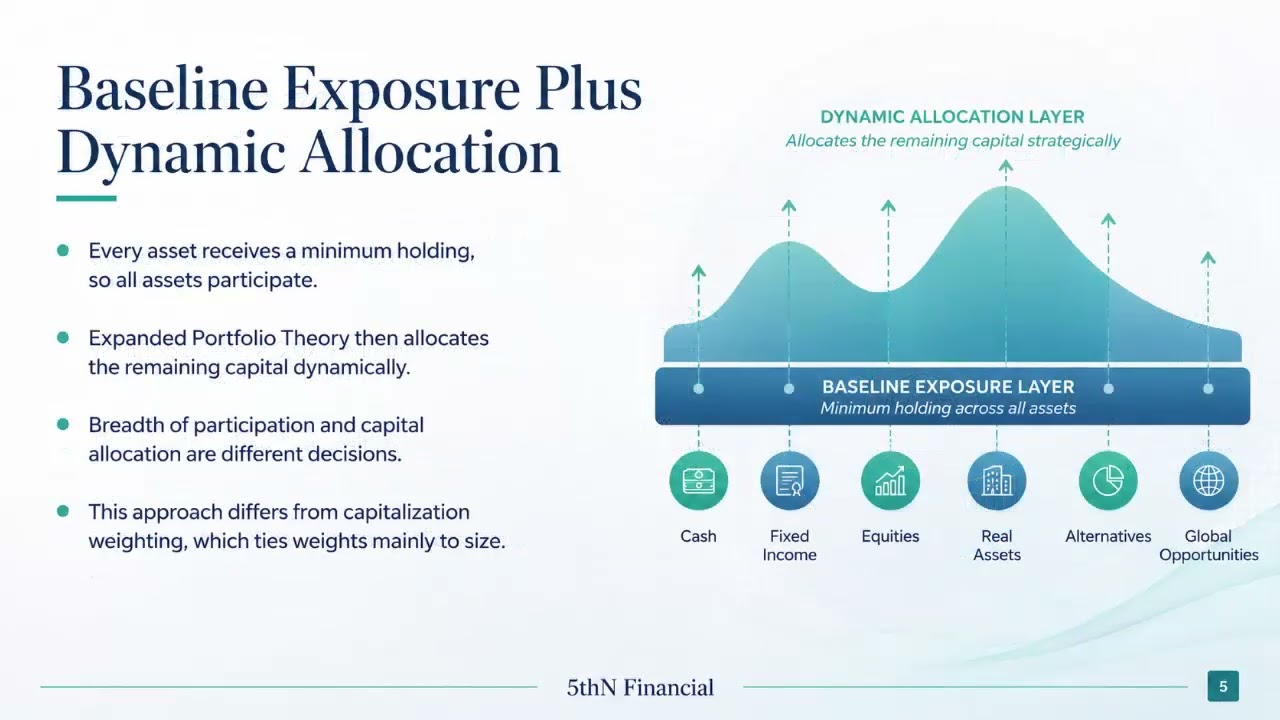
09
Wrap-up
Final Perspective
Conclude with the final video in the sequence and use it as a bridge back into the other pages on this website.
After working through the series, the EPT + HiFuPi, ETF Examples, Fee, and ETF Exploration Apps pages provide the supporting context and live tools connected to these ideas.